Overview
Children progress fastest when the whole family is part of it.
Counselling & developmental support
Family counselling, Brain Gym and behaviour modification therapy — supporting attention, motor skills, behaviour and social participation.
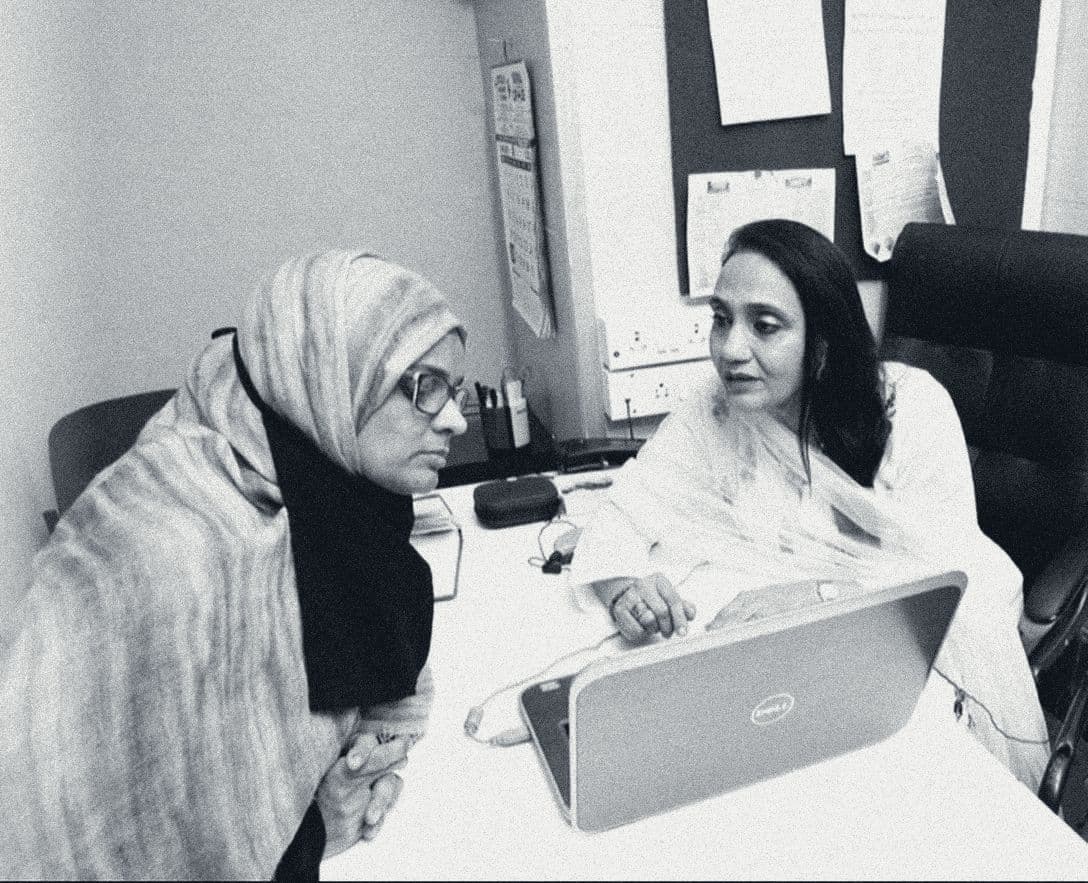
About counselling at Shaba
Hearing and speech never develop in isolation. Shaba aims for every child to be well balanced across five areas — listening, language, emotional development, social skills and cognitive skills — developed in a fun-filled environment.
Who we see
Who this is for
- Parents navigating a new diagnosis of hearing loss or speech delay
- Children who need support with attention, coordination or handwriting
- Children with ADHD or autism who benefit from structured behaviour therapy
- Families who want strategies that work at home, not only in the clinic
Signs
What this work supports
- Grasping and releasing objects, handwriting and fine-motor control
- Hand–eye coordination
- Daily-living skills such as dressing and self-feeding
- Managing emotions and completing tasks
- Communication, engagement and social interaction
What we offer
Tests, therapiesand technology.
The exact plan is chosen after assessment — never applied as a standard package.
Family counselling
Clear explanations, realistic expectations and practical strategies for daily routines.
Brain Gym
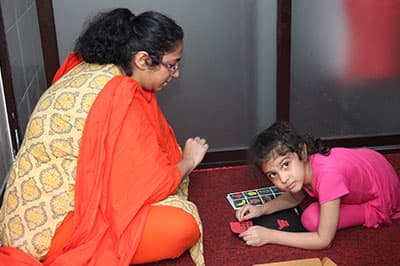
Movement-based activities that support school performance, self-esteem and a sense of accomplishment.
Behaviour modification therapy
Evidence-based approaches — ABA, PRT and TEACCH — using the child’s interests and strengths as motivation.
Skills assessment & task analysis
Identifying which skills to teach and breaking them into teachable steps.
Reinforcement, shaping & chaining
Building new behaviours step by step, then fading prompts and reinforcement.
Modelling & imitation
Creating opportunities that increase communication, engagement and interaction.
How it works
Four steps,one team.
Observe
How communication, attention, emotions and daily skills interact for this child.
Prioritise
Family and clinician agree on the goals that matter most at home and school.
Engage
Structured, playful sessions that build motor, social and self-management skills.
Partner
Parents leave each session with strategies to keep progress consistent.
In their words
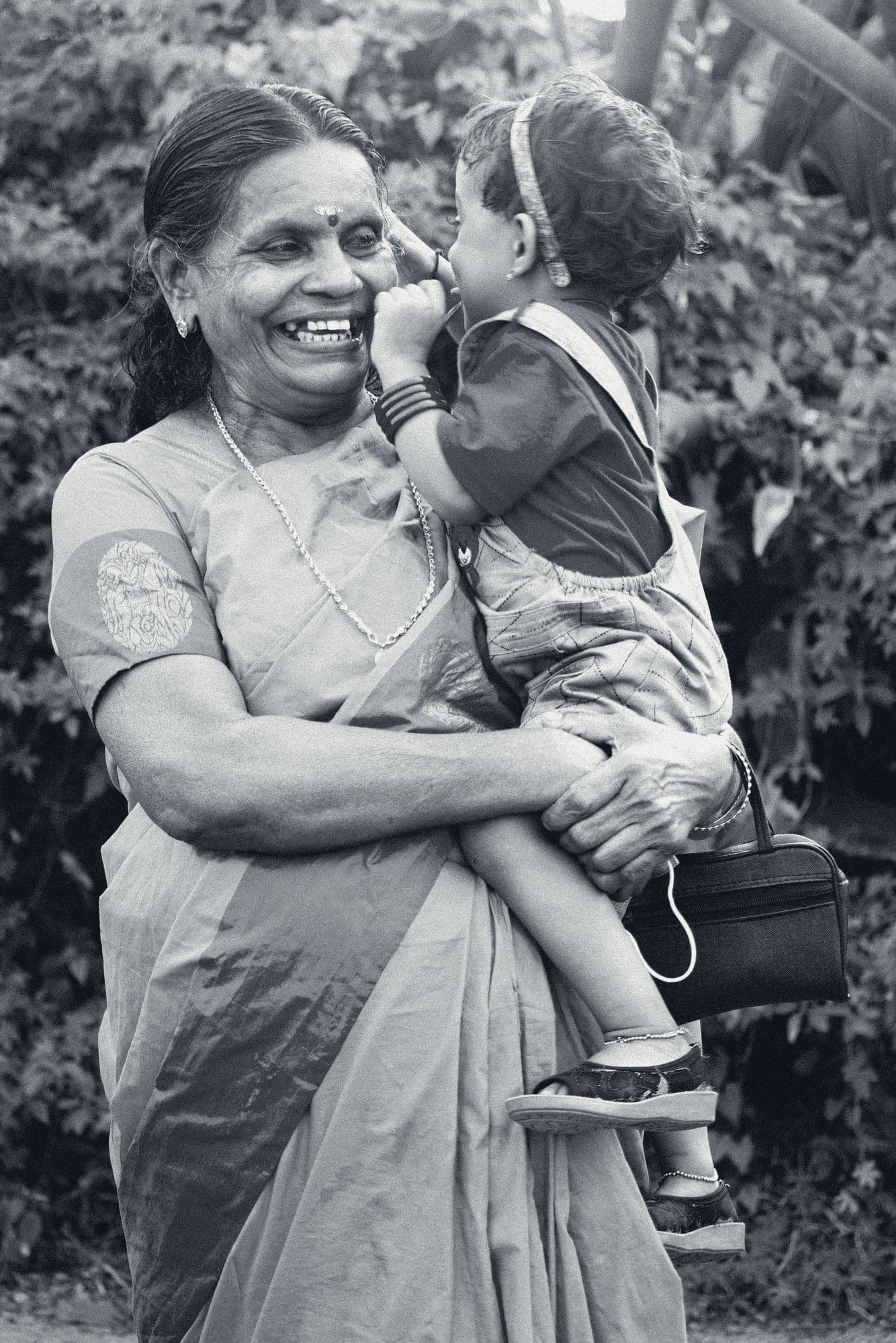
“My child is showing fast improvement under her treatment. In six months he started forming sentences, became confident, and began making eye contact.”
Questions
Before yourfirst visit.
What is Brain Gym?
A set of movement-based activities that help children with fine-motor skills, hand–eye coordination, concentration and daily-living skills, and that build self-esteem and a sense of accomplishment.
Which approaches do you use for behaviour therapy?
Evidence-based approaches including ABA, PRT and TEACCH developmental techniques. Early work focuses on interfering or challenging behaviours, then on teaching new skills.
Do you work with children with ADHD or autism?
Yes. Behaviour management for children with ADHD and ASD is part of the centre’s work, alongside speech and language therapy where needed.
Book an appointment
Tell us whatyou’re noticing.
Choose the closest description. We’ll suggest the right first appointment and call you back.